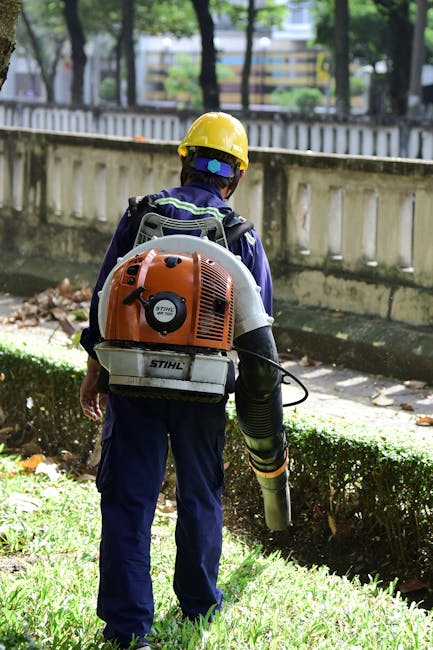
Hedge Trimming in Camden Town

Hedge trimming in Camden Town should leave boundaries neat, growth balanced and the overall shape suited to the planting you already have. We offer a focused hedgetrimming service that keeps formal lines crisp, helps informal hedges stay controlled and removes untidy extension growth before it becomes difficult to manage. The work is suited to front gardens, shared borders, courtyard edges and taller screening hedges where a careful finish matters as much as a clean cut.
Good hedge work is never only about appearance. A well judged trim helps maintain thickness through the lower parts of the plant, keeps light where it is needed and avoids the bare or woody look that can appear when growth is cut back too hard in the wrong season. We plan each job around the hedge species, the existing shape and the level of reduction needed, so the result is practical as well as tidy. Careful trimming is the main aim, not forcing every hedge into the same outline.
Where access is limited or a hedge has been left for longer than usual, we can still approach the work in a controlled way and deal with the growth in stages if that is the sensible option. If you are comparing options for a property in Camden Town, ask for a quotation and we can discuss the hedge condition, the finish you want and the best timing for the work. Clear communication at the start makes it easier to match the service to the garden.
Formal shaping and routine maintenance
Routine hedge maintenance is the best option when you want a consistently neat boundary rather than a one-off dramatic cut. This usually involves reducing the current season’s growth, restoring straight top lines, keeping sides even and removing stray shoots that spoil the profile. For clipped hedges, the emphasis is on accuracy and repeat visits at suitable intervals; for looser planting, the aim is often a softer but still deliberate outline that does not overcomplicate the planting.
In practical terms, regular work is often simpler for the hedge itself and easier for the property owner to plan. It can reduce the need for heavy correction later, especially where a hedge fronts a pavement, frames an entrance or supports privacy between plots. If you are unsure how much should come off, it is sensible to think in terms of shape, coverage and the look you want to preserve rather than asking for a blanket reduction. The best trim is usually the one that respects the plant’s natural form while keeping it under control.
What this type of trimming can include
Depending on the hedge and the site, a trimming visit may involve tidying both faces, levelling the top, easing out bulges, removing stray growth from the base and refining corners where the hedge meets fences, paths or gates. We can also work around planting that sits close to the hedge and avoid cutting harder than necessary where the structure is still developing. The practical result should be a boundary that looks intentional from several angles, not just from the street.
Reduction work for overgrown hedges

Some hedges need more than routine maintenance because they have grown beyond their usual outline or started to encroach on paths, driveways or shared garden areas. In those cases, a careful reduction approach is often preferable to aggressive cutting. The aim is to bring the hedge back to a manageable size while leaving enough healthy growth to support recovery and future shaping. This is especially important where the hedge acts as a screen and cannot be left sparse for long.
Reduction work needs judgement. Cutting too much from the outer surface can leave a hedge looking thin, while trimming only the obvious high points can leave the whole line uneven. A good result normally comes from identifying where the hedge can be shortened safely, what can be taken from the sides and how to retain a balanced structure after the cut. That is why the service is best planned around the plant itself rather than a fixed idea of how many inches must be removed.
Where the hedge has become very wide or tall, the work may be better divided into stages so the plant remains healthy and the shape improves in a controlled way. If you would like a price for a reduction rather than a routine trim, send through the details of the hedge and the outcome you want. A simple enquiry is usually enough to start the conversation.
Hedge care for different planting types
Different hedges respond differently to cutting, so the species matters. Evergreen hedges, mixed boundaries and traditional formal hedging each need a slightly different approach to timing, finish and depth of cut. Some plants respond well to tighter shaping, while others need a lighter hand to avoid exposing woody stems or weakening growth. We tailor the trim to the hedge in front of us, rather than treating every border as if it behaved in exactly the same way.
Common considerations include whether the hedge is young, established, dense, patchy or used mainly for screening. A young hedge often benefits from light shaping that encourages branching, while an established hedge may need controlled cutting to maintain a dependable line. In some cases, the customer is looking for sharper edges for presentation; in others, the priority is simply to keep the hedge within its space and preserve privacy. These are different jobs, even when they look similar at a glance.
If you are not sure how your hedge should be treated, it helps to describe the planting, the height, the width and any problem areas rather than just asking for it to be “cut back”. That allows the work to be matched more closely to the hedge’s needs and reduces the risk of removing the wrong amount of growth. For many properties, a little extra thought at the start leads to a cleaner finish and a more durable result.
Sites, access and finish standards

Hedges are often trimmed in places where access is not straightforward: narrow side passages, compact back gardens, properties with limited storage space or boundaries close to structures and paving. These conditions affect how the work is planned and how the final finish is achieved. The important point is not simply reaching the hedge, but doing so in a way that allows for accurate cutting, good visibility and a tidy end result without unnecessary disturbance to the surrounding area.
Because each site differs, the same hedge shape can require different methods depending on reach, size and proximity to other features. A hedge beside a path may need extra care to keep the line straight, while a boundary close to planting beds may need a more selective approach to avoid damage. We keep the work focused on the hedge itself and on leaving the surrounding garden in good order. That attention to finish is often what separates a merely shortened hedge from a properly trimmed one.
- straightening top lines where the hedge has become uneven
- refining sides to keep the boundary visually balanced
- reducing protruding shoots that catch the eye
- maintaining a neat edge where hedges meet gates or fences
- keeping the overall outline consistent from one section to the next
Preparing for a quotation
For a useful quotation, it helps to share the hedge location, approximate length, approximate height and whether the work is a light trim or a larger reduction. If you can also mention access points, nearby obstacles and any areas you particularly want kept neat, that gives a clearer picture of the job. You do not need to write a long brief; concise information is usually enough to let us understand the scope and suggest the most suitable approach.
Photographs can also be helpful when the hedge cannot be inspected in person straight away, especially if there are several boundary sections or if the hedge has a mix of heights. Pricing and quotes is the right place to start if you want to compare the practical factors that influence the work before arranging the service. In most cases, the more clearly the hedge is described, the easier it is to offer an accurate quotation and avoid misunderstandings later.
If you would like the hedge assessed for a planned trim, keep the request focused on the finish you want and the current condition of the boundary. Ask for a quotation when you are ready and include enough detail for a sensible recommendation. That keeps the process straightforward for both sides and makes it easier to move from first enquiry to agreed work.
Trimming around paths, boundaries and planting
Many hedge jobs are part of a wider garden edge, so the cutting has to work alongside paving, fence lines, steps and nearby shrubs. A careful trim keeps the hedge within its space without leaving awkward bulges where it meets other features. It also helps maintain safe, usable routes where growth has begun to narrow a path or lean into a shared boundary. The finish should be deliberate and even, with attention paid to the points where the hedge is most visible.
Where hedges sit beside ornamental planting, the work needs enough control to avoid unnecessary disturbance. That can mean trimming in a sequence that protects adjacent beds, or dealing with one face of the hedge more delicately than the other. When the garden design is compact, the quality of the line becomes especially important because there is less room for visual inconsistency. A tidy boundary can make the whole outdoor space feel more settled without altering the character of the planting.
For more general garden work that supports hedge maintenance over time, garden maintenance is a relevant option if you need a broader tidy-up rather than a single hedge-only visit. That can be useful where the hedge is part of a wider boundary that also needs regular attention elsewhere in the garden. Keeping the work coordinated often produces a more consistent appearance overall.
About Camden Town

Camden Town is a district in north London closely associated with the borough of Camden and with the transport and commercial activity around Camden High Street and Camden Lock. Its identity developed strongly in the nineteenth century with the arrival of the Regent’s Canal and the railway, which helped turn the area into a place of warehouses, markets and dense urban growth. Today it remains known for a lively street scene, music culture and a mix of long-established buildings and newer development. The area sits near Regent’s Canal, which gives parts of Camden Town a different feel from the busier roads nearby, with waterside paths and views across the lock network. The canal is one of the features that links the district to London’s industrial past while still forming part of the present-day landscape. Camden Market has become one of the best-known local landmarks, with stalls and indoor market spaces that draw visitors from across the city. Around it, the streets combine retail fronts, food outlets and residential pockets, creating a dense urban grain rather than a single uniform centre. Architecture in Camden Town is varied, ranging from Victorian terraces and commercial buildings to later redevelopment schemes. The area also connects to nearby open space through Regent’s Park and Primrose Hill to the west, while smaller pockets of greenery and planted edges appear within the built environment itself. This contrast between water, rail infrastructure, market activity and housing gives Camden Town a character that is distinctive within inner London. As a place, it is often defined less by formal boundaries than by the experience of movement through its streets, bridges, arches and market lanes. That layered mix of historic transport routes, retail activity and residential streets remains central to how the district is understood.
Seasonal timing and tidy results
Timing can matter when hedge trimming is planned, because different plants respond differently through the year. A hedge that is cut too hard at the wrong point may look stressed or sparse, whereas a light, well-timed trim can preserve density and keep the outline clean. The right schedule depends on the hedge species, how fast it grows and whether the priority is appearance, containment or both. A sensible approach avoids unnecessary stress while still keeping the boundary neat.
For customers, the practical decision is often between waiting for a hedge to grow into a stronger trim or maintaining it more frequently so each visit is lighter. Both approaches can work, but they suit different kinds of planting and different expectations about finish. If the hedge is mainly decorative, the emphasis may be on precision. If it forms part of a privacy screen, the main concern may be to avoid openings while controlling height and spread. The service should be matched to that purpose rather than treated as a one-size-fits-all cut.
Services overview is useful if you want to see how hedge trimming sits alongside other garden services and decide whether you need a single visit or broader help. A clear view of the work makes it easier to plan the right level of attention for the boundary. When you are ready, you can ask for a quotation based on the hedge’s actual condition.
Other garden work that can sit alongside hedge trimming

Some customers want hedge trimming as a standalone task, while others prefer to combine it with related garden work so the whole outdoor space is brought into better order at the same time. Depending on what is needed, this might include cutting back surrounding growth, dealing with overgrown edges or carrying out supportive clearance before the hedge is shaped properly. Combining jobs can be useful where one task affects another and the best result comes from treating the space as a connected whole.
Where a hedge is part of a larger boundary treatment, other services may also be relevant. For example, if a hedge has been overshadowing lower planting or pressing into adjacent areas, the wider garden may benefit from light clearance or structured maintenance alongside the trim. If the boundary needs more extensive attention, garden clearance can be a practical starting point before finer shaping is carried out. The right sequence helps avoid repeated disruption and keeps the final result coherent.
If you would like a quotation for hedge trimming in Camden Town, include the hedge size, the work required and any special access points so the request is easy to assess. Then ask for a quotation and we can help you choose the most suitable approach for the boundary in question. The aim is a neat, controlled finish that suits the hedge and the garden around it.