Camden Town front garden makeover case study by gardeners
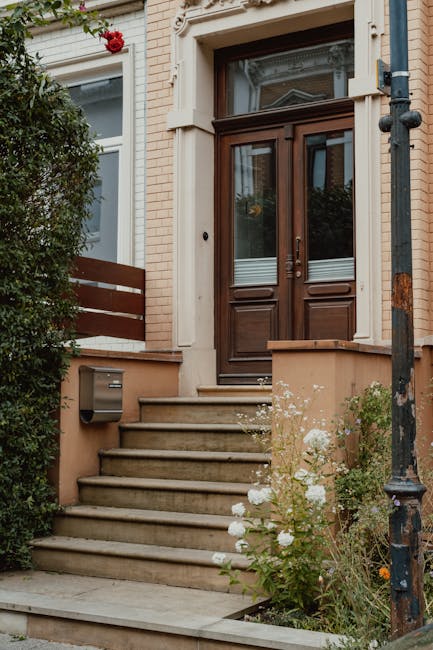
If your front garden feels more like a forgotten strip of paving than a welcoming entrance, you are not alone. In Camden Town, where space is tight and first impressions really matter, a front garden makeover can change the whole feel of a property. This Camden Town front garden makeover case study by gardeners looks at the kind of problems that come up, how a good transformation is planned, and what practical decisions make the biggest difference. It is written to help you understand the process clearly, whether you are comparing ideas, planning a refresh, or simply trying to work out what is realistic in a busy London setting.
Front gardens in Camden often have to do a lot with very little. They need to look tidy, work hard in all seasons, and cope with shade, foot traffic, bins, bikes, and the usual London mix of weather and time pressure. The good news? Even a modest budget and a sensible plan can make a front garden feel calmer, cleaner, and much more usable. Let's break it down properly.
Why Camden Town front garden makeover case study by gardeners matters
A front garden is not just decorative. It frames the whole property, shapes how people approach the house, and often affects daily life in small but very real ways. In Camden Town, where homes can sit close to the pavement and outdoor space is at a premium, a front garden makeover is often about balancing appearance, function, and low maintenance rather than creating something showy.
That balance is the heart of this topic. A well-planned makeover can make a frontage look sharper, give you somewhere practical to manage bikes, bins, planting, or path access, and reduce the feeling of clutter that builds up over time. It can also improve the way you feel when you come home. That sounds simple, but it is often the difference between a space that gets ignored and a space that quietly does its job every day.
There is also a practical reason the subject matters so much in Camden. Small urban gardens tend to reveal poor planning very quickly. If the planting is wrong, the soil gets waterlogged. If the paving is cramped, it feels awkward. If the hedge is overgrown, the whole frontage can look narrow and dark. A good gardener sees all of that at once and works out what to keep, what to remove, and what to simplify.
For readers who are still deciding on the right approach, it helps to look beyond the "before and after" photo. A proper case study should show process, priorities, constraints, and sensible trade-offs. If you are exploring broader options too, the services overview is a helpful place to understand how different garden services fit together.
Expert summary: In compact Camden front gardens, the best results usually come from restraint, clean lines, and plant choices that can survive urban conditions without becoming a maintenance headache.
How Camden Town front garden makeover case study by gardeners works
A front garden makeover normally starts with a site review. That sounds obvious, but it is where the real work begins. Gardeners look at light levels, drainage, existing structure, access, visibility from the street, and the amount of maintenance the homeowner is realistically willing to do. Truth be told, that last point often makes or breaks the outcome.
From there, the design direction is usually shaped by three questions: what should stay, what should go, and what must the space do on a day-to-day basis? In a Camden Town setting, the answer might include a neat path, a better boundary line, a small planting scheme that works through the year, and maybe a more functional surface near the entrance. Sometimes the project is mostly a cleanup and reset. Sometimes it is a fuller transformation with layout changes. Both can be valid.
Gardeners then move through the work in stages. That may involve clearing dead growth, reshaping hedges, removing tired or overcrowded plants, improving beds, repairing edges, and laying or refreshing ground cover. If hard landscaping is part of the plan, it may also include edging, paving adjustments, or a simple seating or storage zone. For projects involving more structural work, landscaping support and landscape gardening are often the natural next steps.
The strongest makeovers are rarely the most dramatic. They are the ones where every part has a reason. A hedge is trimmed because it blocks light or crowds the path. A bed is simplified because it has too many competing plants. A surface is changed because mud keeps tracking indoors. It is practical design, not just decoration. And honestly, that is what people usually need.
Key benefits and practical advantages
A front garden makeover can deliver more value than people expect. You may start out wanting it to "look nicer," then realise the space becomes easier to live with, easier to clean, and easier to maintain over the long term. That is the quiet benefit. Not flashy, but very real.
- Better kerb appeal: A tidy, balanced frontage changes the feel of the whole property before anyone even opens the door.
- Lower upkeep: Replacing fussy planting with a more resilient layout can save time every week, especially in spring and summer.
- Improved access: Clear paths and sensible edges make the entrance safer and less awkward.
- More usable space: Even a small front garden can handle planting, screening, or practical storage if it is planned properly.
- Better light and visibility: Cutting back overgrowth can make a front room and entrance feel brighter.
- Cleaner presentation: Removing clutter, self-seeded growth, and uneven borders makes the whole property feel looked after.
In London terraces and conversions, a makeover can also help a property feel more intentional. Small spaces often look messy when they are simply left to develop on their own. A strong front garden design creates a clear rhythm: boundary, path, planting, entrance. Once that structure is in place, the rest tends to feel easier.
There is also a financial common sense angle, even if we are being careful not to overstate it. A neat frontage can make a home more appealing to visitors, tenants, or potential buyers because it suggests the property has been maintained properly. No grand promises. Just a solid first impression, which counts for a lot.
Who this is for and when it makes sense
This kind of project suits homeowners who feel their front garden has become awkward, cluttered, or simply too much to keep on top of. It is also a good fit for people who want the property to feel more welcoming without creating a high-maintenance planting scheme that needs constant attention.
You might be in the right place if:
- your front garden has become overgrown or patchy
- the path or entrance feels cramped
- hedges or shrubs are blocking light
- the planting looks tired or unbalanced
- you want a more modern, cleaner look
- you need a design that suits a busy week, not a dream schedule
It also makes sense if you have just moved in and inherited a garden that does not suit your taste. That happens a lot. People move in, look at the frontage, and think, "Right, where do we even start?" A front garden makeover gives you a reset point.
Sometimes the best moment is after one specific frustration: muddy shoes by the door, a hedge that swallows the window, or a border that turns into a jungle by June. If that sounds familiar, a practical refresh is probably overdue. Not necessarily a full redesign. Just a thoughtful one.
Step-by-step guidance
Here is the most sensible way to approach a Camden Town front garden makeover without turning it into a stressful project.
1. Start with the real problem
Is the issue layout, planting, maintenance, or access? Be specific. "It looks bad" is a feeling, not a brief. A good gardener will help translate that feeling into something workable, but you will save time if you already know what bothers you most.
2. Measure the space and note the conditions
Light, shade, soil condition, width of path, drainage, and visibility from the road all matter. A small area can become awkward very quickly if one mature shrub or a bulky hedge takes over. You do not need a surveyor's toolkit. A tape measure, a few photos, and a rough sketch often tell the story well enough.
3. Decide what stays and what goes
Some elements are worth keeping. A healthy specimen shrub, a well-made path, or a good boundary can anchor the design. Other items may just be eating space and light. If you need to clear a lot of old growth first, garden clearance is often the logical starting point.
4. Choose a maintenance level early
This is where many projects go wrong. A garden that looks beautiful but requires constant fussing can become a burden. A simpler structure with fewer plant types, better edging, and more resilient planting is often a smarter choice for a front garden in Camden.
5. Build the hard structure
Paths, edging, borders, steps, and any surface changes should come before the fine planting details. If the structure is right, the planting looks intentional rather than random. If you are considering a more substantial entrance refresh, take a look at decking services as part of the wider design conversation where appropriate.
6. Add the planting last
Once the practical work is done, planting can soften the edges and give the garden personality. In compact spaces, repetition usually works better than cramming in too many different plants. A simple palette often feels calmer and more expensive-looking, funny enough.
7. Finish with cleanup and a maintenance plan
The final stage is not just tidying up. It is about making sure the garden stays looking good. That might mean seasonal pruning, mowing, hedge shaping, or a simple monthly check. A makeover without aftercare tends to fade quickly.
Expert tips for better results
After years of seeing small front gardens succeed or struggle, a few practical patterns become obvious. Here are the ones worth paying attention to.
- Keep the palette tight. Too many materials or plant types can make a small frontage feel crowded.
- Use height carefully. Vertical interest is useful, but too much of it can block light and make the garden feel closed in.
- Plan for winter first. Camden gardens need to look decent in grey weather, not only during a sunny week in May.
- Prioritise edges. Clean borders and tidy lines make even simple planting look intentional.
- Choose plants for resilience. Urban front gardens face heat reflection, shade, dust, and occasional neglect.
- Leave room to move. A lovely border that makes the path awkward is not actually lovely after the third time you brush past it.
One small but useful habit: stand at the gate and look at the garden for a full minute before deciding anything. You notice more from that angle than you do from the middle of the space. Where does the eye stop? What looks cluttered? What feels heavy? Simple question, big payoff.
If the frontage also needs routine maintenance after the makeover, garden maintenance can keep the result sharp without letting the work slide back into another seasonal mess.
Common mistakes to avoid
Front garden makeovers can go sideways in predictable ways. The good news is that most of them are easy to avoid once you know what to look for.
Overfilling a small space
It is tempting to add more plants, more colour, more features. In a Camden front garden, that often makes the layout feel cramped. Negative space matters. A bit of breathing room goes a long way.
Ignoring access
A garden should work for people, not just photographs. If bins need moving, if a pram needs to pass, or if the front step is used daily, the route has to stay clear.
Choosing high-maintenance planting by accident
Some plants look brilliant in a nursery and then become a weekly chore. Always ask how much pruning, watering, or shaping the planting will need once it is established.
Skipping the cleanup stage
Old roots, rubbish, broken edging, and weak soil all affect the final result. A design can only go so far if the groundwork is sloppy. That includes the less glamorous bits. Nobody loves them, but they matter.
Forgetting the front door context
The garden should suit the house. A smart Victorian frontage, for example, may need a different rhythm from a modern flat entrance. The best results feel like they belong to the building rather than sitting on top of it.
Tools, resources and recommendations
You do not need a warehouse of equipment for a front garden makeover, but you do need the right tools for the job. The exact kit depends on whether the work is mainly clearance, planting, trimming, or a more structural landscaping job.
Commonly useful tools include:
- secateurs and loppers for cutting back manageable growth
- a pruning saw for thicker branches
- a spade and border fork for bed preparation
- edge trimming tools for clean borders
- a wheelbarrow or sacks for removal of waste
- gloves, eye protection, and suitable footwear
For larger projects, professional help is often the sensible choice because the heavy lifting, waste handling, and sequence of work are handled properly. If tree branches are part of the issue, or if a tree is dominating the frontage, tree lopping and removal may be relevant, but only where it is genuinely needed and appropriate.
It is also worth thinking about where waste goes. A tidy project should not end with a pile of green waste sitting around for days. Responsible disposal and sorting matter, and if sustainability is part of your brief, the page on recycling and sustainability gives a useful sense of that mindset.
For service planning, pricing clarity helps too. A proper conversation about scope, materials, access, and aftercare is usually better than trying to guess from photos alone. The pricing and quotes page is a sensible starting point when you are at that stage.
Law, compliance, standards, or best practice
For a front garden makeover in Camden Town, the main compliance points are usually practical rather than dramatic. If your work affects shared boundaries, pavements, roots, drainage, access routes, or protected trees, it is worth checking the implications before making major changes. That is especially true in dense urban areas where one "small" change can have knock-on effects.
Professional gardeners should also work safely, manage tools responsibly, and handle waste properly. If you are hiring help, it is sensible to look for clear communication around insurance, safety, and working practices. The pages on insurance and safety and health and safety policy are useful indicators of the kind of standards a careful business should be thinking about.
There are also everyday best practice points that do not require legal jargon. Use safe access routes. Avoid blocking neighbours. Keep work tidy. Dispose of green waste properly. If any tree work is involved, make sure it is assessed properly rather than hacked back in a rush. Camden's urban setting means those details matter more than people sometimes expect.
If you ever need to raise a concern about service handling, a clear process matters. The complaints procedure page is relevant for that reason. It is not the glamorous part of the story, but transparency tends to build trust. Funny how that works.
Options, methods, or comparison table
Not every front garden needs the same type of makeover. Some benefit from a hard reset, while others only need a thoughtful tidy-up and stronger structure. The table below gives a simple comparison.
| Approach | Best for | Typical focus | Trade-off |
|---|---|---|---|
| Light refresh | Gardens that are generally fine but look tired | Pruning, edging, planting tweaks, clean-up | Limited change to layout |
| Clear-and-reset makeover | Overgrown or cluttered front gardens | Garden clearance, selective removal, new planting scheme | More upfront work, but clearer result |
| Full landscape makeover | Spaces needing layout change, access improvement, or major redesign | Landscaping, surfaces, structure, planting balance | More planning and cost, more flexibility |
| Maintenance-led approach | Homes that already have a good base but need control | Regular cutting, hedge shaping, lawn care, seasonal tidying | Less dramatic, but very practical |
If you are unsure which route is right, start with the least ambitious version that solves the actual problem. You can always build from there. People often jump straight to "full redesign" when a tidy reset would be more than enough.
In some cases, lawn care is part of the answer too. A compact frontage with turf or a small green strip can look surprisingly good with the right treatment, and lawn mowing remains one of the simplest ways to lift presentation without making the space more complicated.
Case study or real-world example
Here is a realistic example of the kind of Camden Town front garden project gardeners often handle. This is not presented as a named testimonial or a fixed real-world statistic; it is a practical composite of the sort of work that comes up repeatedly in urban gardens.
A homeowner had a narrow front garden with an overgrown hedge, patchy planting, broken edging, and a path that felt tighter every year. The garden was not huge, but it was busy enough to create daily frustration. The main priorities were to make the entrance brighter, reduce upkeep, and improve the first view from the pavement.
The gardeners began by clearing out dead growth and removing the plants that no longer worked. The hedge was reduced carefully to restore light and proportions. Edging was repaired so the border lines made sense again. The planting plan was simplified rather than expanded, using a smaller group of reliable plants that would not need constant attention. The result was not flashy. It was clean, balanced, and easier to live with.
What changed most was the feeling. The frontage no longer looked like a task waiting to happen. It looked settled. The path was easier to use, the door looked more open, and the space no longer competed with itself visually. That kind of transformation is what makes a front garden makeover worthwhile. Not drama. Clarity.
In projects like this, the sequence matters as much as the design. The gardeners may start with hedge trimming to recover structure, then layer in a broader tidy-up or planting refresh. It is often a case of removing the noise first, then letting the good parts breathe.
Practical checklist
Use this checklist before you start a front garden makeover in Camden Town. A quick run-through now can save a lot of awkward fixes later.
- Identify the main issue: appearance, access, maintenance, light, or layout
- Take clear photos: from the gate, the path, and the front door
- Measure the space: especially width of path and bed depth
- Decide what stays: healthy shrubs, good paving, useful structure
- Mark what needs removing: dead growth, clutter, weak edging, overcrowded planting
- Choose a realistic maintenance level: low, medium, or hands-on
- Think about seasons: winter structure and summer growth both matter
- Check access and safety: tools, waste, bins, and foot traffic
- Ask about waste handling: especially for bigger cut-backs
- Plan for aftercare: watering, pruning, and tidy-ups after the work is done
Small checklist, big difference. To be fair, most garden projects are won or lost in the planning stage, not the day the tools come out.
For some households, the next step is ongoing care rather than a one-off transformation. That is where a regular maintenance plan can be worth considering, especially if you want the frontage to stay sharp through the year.
Conclusion
A Camden Town front garden makeover works best when it respects the reality of the space. Small urban frontages need clarity, not clutter. They need practical structure, resilient planting, tidy boundaries, and a maintenance level that fits real life. Once those pieces come together, even a modest garden can feel calmer, cleaner, and far more welcoming.
The strongest results usually come from gardeners who think in terms of function first and finish second. That may sound a bit backwards, but it is exactly why the best makeovers last. They are built around how people actually use the space, not just how the garden looks in one photo.
If you are at the stage of comparing options, keep the brief simple: what needs to change, what should stay, and how much upkeep do you want afterwards? That answer will shape the right approach more than any trend ever will.
Get a free quote today and see how much you can save.
Sometimes the best part of a front garden refresh is arriving home and thinking, yes, that finally feels right.
Frequently Asked Questions
What is a Camden Town front garden makeover by gardeners?
It is a planned refresh or redesign of a front garden in Camden Town, usually involving clearing, pruning, planting, edging, and sometimes landscaping work to improve appearance and function.
How long does a front garden makeover usually take?
It depends on the size of the space and the amount of clearing or structural work needed. A light refresh may take only a short visit, while a fuller makeover can take longer and may be staged over more than one session.
Do I need a full redesign, or just a tidy-up?
Not always a full redesign. If the layout is sound, a tidy-up, hedge reduction, border repair, and planting simplification may be enough. A proper assessment helps avoid doing more work than needed.
What makes front gardens in Camden Town different from suburban gardens?
Space is usually tighter, privacy and access matter more, and the garden often has to work harder in a more urban setting. Light levels, paving, and maintenance are usually bigger considerations too.
How do gardeners decide what plants to use?
They usually look at light, soil conditions, maintenance needs, and the style of the property. In small front gardens, reliable structure and a limited plant palette tend to work better than lots of mixed varieties.
Can a front garden makeover help with low-maintenance living?
Yes. Replacing high-maintenance planting with simpler borders, clearer edges, and better structure can reduce the time needed to keep the space looking tidy.
What if my front garden is overgrown and I do not know where to begin?
Start with clearance. Removing dead or overcrowded growth makes it easier to see the bones of the space. After that, the layout and planting choices become much clearer.
Is landscaping always necessary for a front garden makeover?
No. Some projects only need pruning, clearing, and planting changes. Landscaping is more relevant when paths, edging, surfaces, or levels need to change.
Do I need to think about safety or insurance when hiring gardeners?
Yes, especially for larger jobs. It is sensible to check that the team works safely, handles tools properly, and has appropriate insurance and procedures in place.
How often will a made-over front garden need maintenance?
That depends on the plants and the design. Some front gardens need only light seasonal care, while others benefit from regular visits to keep hedges, lawns, and borders under control.
What is the biggest mistake people make with front garden makeovers?
Trying to do too much in a small space. Overcrowding is the most common issue, followed closely by choosing plants that are too demanding for the amount of time the homeowner actually has.
How do I get a quote for this kind of work?
The best first step is usually to share photos, measurements, and a short explanation of the problems you want solved. From there, the scope can be discussed more accurately and a sensible quote prepared.
Can a front garden makeover improve kerb appeal without changing the whole layout?
Absolutely. Sometimes the biggest gains come from trimming, clearing, simplifying planting, and improving the finish around the entrance. Small changes can have a surprisingly strong visual effect.
What should I ask a gardener before starting?
Ask what they would keep, what they would remove, how they would handle waste, how much maintenance the final design will need, and whether they recommend a one-off refresh or a longer-term maintenance plan.